
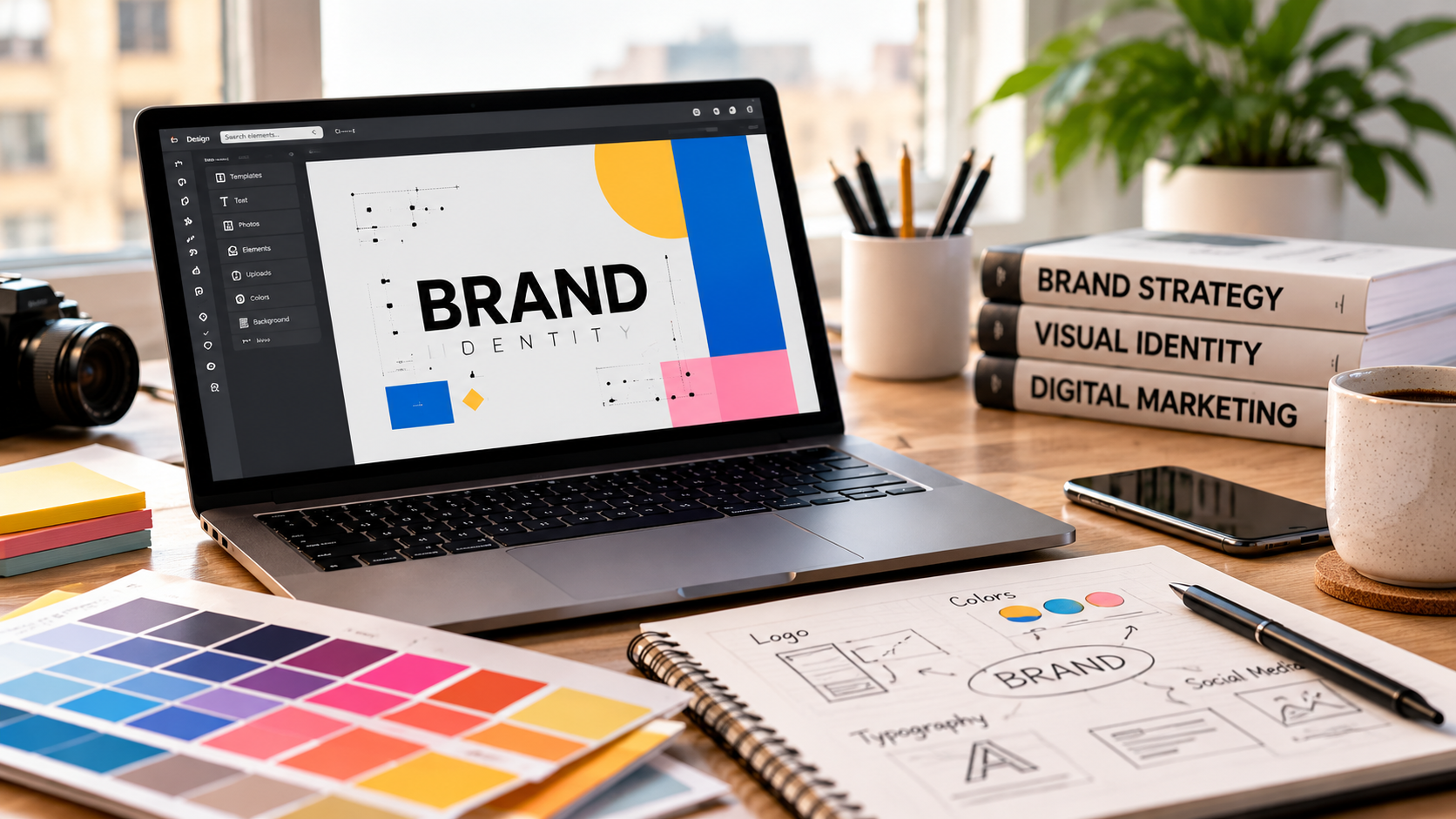
10 Creative Digital Design Ideas to Strengthen Your Brand Identity in 2026
In today’s competitive digital landscape, building a recognizable brand requires much more than an attractive logo or a professionally designed website. Customers encounter businesses through social media, online advertisements, email newsletters, and countless other digital touchpoints. Every visual interaction contributes to how people perceive a company, making thoughtful design an essential part of successful branding. In 2026, businesses that combine creativity with consistency have greater opportunities to capture attention, communicate their values, and develop meaningful relationships with their audiences.
Digital design continues to evolve as technology introduces new creative possibilities and consumer expectations shift. While some businesses embrace minimalist layouts and sophisticated typography, others experiment with vibrant colors, interactive experiences, and expressive visual storytelling. However, effective branding is not about adopting every emerging design trend. It involves selecting creative approaches that reflect a company’s personality and resonate with its target audience. Whether you’re launching a startup, managing an online store, or refreshing an established business, developing a distinctive digital identity can help you stand out while creating a more memorable customer experience.
Typography is one of the most powerful yet frequently underestimated elements of digital branding. The appearance of a headline can influence whether someone notices a promotional graphic, understands its message, or continues scrolling. Businesses creating social media campaigns, website banners, and product announcements can experiment with AI text effects to develop distinctive lettering that adds personality to their visual content. When combined with appropriate colors, balanced layouts, and consistent brand guidelines, creative typography can transform simple messages into recognizable design elements without compromising clarity or professionalism.
1. Develop a Distinctive Visual Language
A memorable brand identity begins with a visual language that customers can recognize across different platforms.
This includes more than choosing a logo and a few colors. It involves establishing consistent relationships between typography, photography, illustrations, layouts, and other design elements.
For example, a modern wellness brand might use soft neutral colors, organic shapes, and natural photography to communicate calmness and balance.
A technology company could choose geometric patterns, structured layouts, and contrasting colors to reflect innovation and precision.
The important thing is ensuring that these decisions support the brand’s personality.
Start by creating a simple visual identity guide. Include preferred fonts, color combinations, image styles, and examples of how different elements should appear together.
This guide becomes particularly valuable when several employees or external designers create marketing materials.
Consistency helps customers recognize your business even when its logo is not immediately visible.
2. Experiment With Bold and Expressive Typography
Typography can communicate emotions and personality before audiences begin reading.
Large headlines, unusual font combinations, and carefully arranged lettering can make digital content more distinctive.
For example, a fashion retailer might use oversized headlines to introduce a seasonal collection, while a creative agency could experiment with unconventional letter arrangements in its promotional campaigns.
However, expressive typography should always remain readable.
A headline that looks visually impressive but is difficult to understand may reduce the effectiveness of the entire design.
Use decorative lettering selectively, particularly for short messages or campaign titles.
For longer paragraphs, choose fonts that support comfortable reading across different devices.
Establishing a clear hierarchy between headlines, subheadings, and body text also helps visitors navigate information more easily.
The strongest typography combines visual personality with practical communication.
3. Create Consistent Social Media Templates
Maintaining a recognizable social media presence can be challenging when businesses publish content frequently.
Reusable design templates help solve this problem by providing a consistent structure for different types of posts.
A company might develop separate templates for educational tips, customer testimonials, promotional announcements, and industry updates.
Each template can feature the same core brand colors, typography, and graphic elements while allowing enough variation to keep content interesting.
For example, a marketing agency could use a recognizable layout for weekly industry insights and another for client success stories.
This approach reduces repetitive design work and helps audiences identify content from the brand more quickly.
However, templates should not make every post look identical.
Experiment with photography, illustrations, spacing, and visual emphasis while maintaining the brand’s overall identity.
A flexible template system supports efficiency without limiting creativity.
4. Use Authentic Photography to Humanize Your Brand
Customers often respond more positively to businesses that communicate through genuine experiences.
Authentic photography provides opportunities to show the people, products, and processes behind a company.
Rather than relying entirely on generic stock images, consider featuring employees, workspaces, customer experiences, and everyday business activities.
A local restaurant could share photographs of its chefs preparing meals or selecting ingredients.
An independent clothing company might document its design process, from initial sketches to finished garments.
These images help customers understand what makes a business unique.
Professional photography can be valuable, but expensive equipment is not always necessary.
Good lighting, thoughtful composition, and consistent editing can make smartphone photographs suitable for many digital applications.
The most important consideration is authenticity.
Images should accurately represent the products, services, and experiences customers can expect.
5. Introduce Motion Graphics Into Your Content
Motion graphics can make digital communication more engaging by adding movement to visual information.
Animated headlines, subtle transitions, moving illustrations, and short product demonstrations can help capture attention.
For example, a software company might use a simple animation to explain how its platform works.
An online retailer could create moving graphics highlighting the features of a newly launched product.
However, animation should serve a clear purpose.
Excessive movement can distract viewers, slow down webpages, and make content difficult to navigate.
Keep animations relatively short and use them to guide attention toward important information.
Accessibility also matters.
Avoid flashing effects and respect reduced-motion preferences whenever possible.
When thoughtfully integrated, motion graphics can make digital experiences more dynamic while supporting a consistent brand identity.
6. Design Interactive Website Experiences
Modern websites can offer much more than static information.
Interactive design allows visitors to explore content, personalize experiences, and engage directly with products or services.
For example, a furniture retailer could offer a feature that allows customers to preview different upholstery colors.
A skincare company might develop an interactive guide that helps shoppers explore product categories based on their preferences.
A professional service provider could create a simple calculator that estimates potential project costs.
These experiences can make websites more useful and encourage visitors to spend time exploring relevant information.
However, interactive features should not introduce unnecessary complexity.
Clear navigation, fast loading times, and mobile compatibility remain essential.
Before implementing an interactive element, consider whether it solves a genuine customer problem.
Useful functionality is more valuable than visual novelty alone.
7. Combine Minimalism With Strategic Visual Details
Minimalist design continues to offer advantages for businesses seeking a clean and professional digital presence.
Simple layouts, generous spacing, and carefully selected colors can make information easier to understand.
However, minimalism does not mean removing every decorative element.
Strategic visual details can introduce personality without overwhelming the design.
For example, a consulting firm might use a restrained color palette with a distinctive accent color for important buttons and headings.
A premium skincare brand could combine elegant typography with subtle textures and carefully composed product photography.
The goal is to create balance.
Every design element should contribute to the overall message or improve the user experience.
Avoid adding unnecessary graphics simply to fill empty space.
A thoughtful minimalist approach allows important content to receive the attention it deserves.
8. Create Educational Infographics That Reflect Your Brand
Infographics help businesses communicate complicated information through accessible visual formats.
Charts, diagrams, icons, and concise explanations can transform detailed topics into content that is easier to understand and share.
For example, a financial education company might create an infographic explaining the stages of personal budgeting.
A digital marketing agency could illustrate the customer journey from initial awareness to purchase.
These resources can support blog articles, presentations, newsletters, and social media campaigns.
To strengthen branding, use consistent colors, typography, and illustration styles.
Avoid overcrowding infographics with excessive statistics or long paragraphs.
Instead, organize information around one central message and use visual hierarchy to guide readers.
When presenting numerical information, verify the figures and reference reliable sources.
Well-designed educational content can demonstrate expertise while reinforcing a recognizable visual identity.
9. Develop Mobile-First Digital Designs
Many customers first encounter brands through smartphones.
As a result, digital designs should remain effective on smaller screens rather than relying exclusively on desktop layouts.
A website banner that looks impressive on a large monitor may become difficult to read when viewed on a mobile device.
Similarly, complicated social media graphics can lose important details when displayed at reduced sizes.
Start by prioritizing clear typography, simple navigation, and appropriately sized visual elements.
Ensure that important messages remain visible without requiring excessive zooming or scrolling.
Buttons and interactive controls should also be easy to use on touchscreens.
Image optimization is another important consideration.
Large files can slow down websites, especially for visitors using slower connections.
Choose appropriate image dimensions and formats while maintaining sufficient visual quality.
Mobile-first design helps create more accessible and consistent experiences across devices.
10. Tell Your Brand Story Through Visual Content
Strong branding is not only about appearance. It is also about communicating meaningful stories.
Visual storytelling allows businesses to share their origins, values, customer experiences, and achievements in engaging ways.
For example, a family-owned bakery could create a photo series showing how traditional recipes have been passed down through generations.
A sustainable fashion company might document the journey of a product from material selection to finished design.
A technology startup could share illustrations or short videos explaining the problem that inspired its founders.
These stories help customers understand the people and motivations behind a business.
The most effective storytelling focuses on genuine experiences rather than exaggerated promotional claims.
Choose visual formats that support the narrative and make information easy to follow.
When businesses communicate their values through authentic stories, they can create emotional connections that extend beyond individual transactions.
How to Build a Consistent Digital Design Strategy
Creative ideas become more effective when they are supported by a clear strategy.
Begin by defining what your brand represents and how you want customers to perceive it.
Identify your target audience, including their interests, expectations, and preferred digital platforms.
Next, review your existing design materials.
Examine your website, social media profiles, advertisements, and email campaigns to identify inconsistencies.
Look for opportunities to improve typography, colors, imagery, and overall presentation.
Develop a practical brand style guide that employees and collaborators can follow.
You should also establish measurable goals.
For example, your business might aim to increase website engagement, improve social media interactions, or encourage more visitors to complete purchases.
Test design improvements gradually rather than changing everything simultaneously.
This makes it easier to understand which changes contribute to better results.
Finally, review performance and customer feedback regularly.
A successful digital design strategy should evolve alongside audience expectations while preserving the recognizable elements of your brand.
Common Digital Design Mistakes to Avoid
Even businesses with strong creative ideas can weaken their branding through inconsistent execution.
One common mistake is using too many fonts, colors, and decorative elements.
Although variety can make individual graphics interesting, excessive variation may create a confusing overall identity.
Another mistake is prioritizing appearance over usability.
A visually impressive website is less effective if visitors cannot find information or complete basic actions.
Businesses should also avoid copying competitors too closely.
Studying successful designs can provide inspiration, but developing a distinctive identity requires original thinking.
Finally, overlooking accessibility can prevent potential customers from engaging comfortably with digital content.
Readable typography, sufficient color contrast, descriptive image text, and intuitive navigation should be part of the design process.
Addressing these issues helps businesses create more professional and inclusive digital experiences.
Conclusion
Digital design in 2026 offers businesses countless opportunities to communicate their personalities, attract attention, and strengthen brand recognition. From expressive typography and authentic photography to interactive websites, motion graphics, and visual storytelling, thoughtful creative choices can make digital experiences more memorable.
However, successful branding is not about using the most complicated designs or following every emerging trend. It requires understanding your audience, maintaining consistency, and ensuring that every visual element supports a clear purpose.
By combining creativity with practical design principles, accessibility, and strategic planning, businesses can develop distinctive digital identities that build customer trust, improve engagement, and support sustainable growth.